Table of Content
HOME HEALTHThe length of service is determined by the goals of care. Palliative care is a form of home health care in which patients face chronic or quality of life-limiting illnesses, and focuses on the relief of symptoms, pain and stress. For example, I recently spoke with a gentleman with a significant illness whose main goal is to stay home. He decided to utilize our skilled home health services and home medical equipment. Over time, he transitioned into our palliative care program and currently is in our hospice program. Below is information on what these services are and who may benefit from them.

They are specially trained and sensitive to the tender nuances of end-of-life care. When individuals enter hospice, many different medical professionals will come together and develop a personalized plan that offers the most comfort to the patient as possible and helps increase their quality of life. These plans are based upon the patient’s wishes and will also offer guidance on any decisions that occur along the way. Registered nurses, physicians, caregivers, spiritual leaders, and volunteers will assist you every step of the way with everything that comes with hospice.
When should you stop hospice care?
The need for equipment, oxygen, and other products is determined by the patient’s palliative plan of care. When a patient has six months or less to live, the transition to hospice care is made. However, you don’t have to wait for your loved one’s physician to recommend hospice care.

For Medicare patients who have met the home health criteria, home health care is covered for conditions not related to the terminal diagnosis while the patient is on hospice. VITAS is the leading provider of hospice care services — end-of-life care brought to each patient wherever they call home. Since they are both Medicare-funded home services, we often get asked how hospice services compare to home health. Hospice and home health care share some similarities, but the two approaches to care address, distinct patients, with unique needs. Hospice care is given to patients with an advanced illness when curative medical treatments are no longer effective.
Overview: Hospice vs. Home Health
Home health services are aimed at helping patients recover from a serious illness or injury. We offer an integrated system of care designed to enhance your life. No matter what your needs may be, our continuum of care offers the services you need to transition seamlessly throughout our system. While we are not an actual hospice or palliative care program, we are dedicated to promoting and maintaining quality, compassionate care for those facing life-threatening illnesses. We do this by providing information and referral services to the public and by providing professional services for Washington State’s hospice and palliative care programs.
Also find out how often nursing, aides, and therapy staff will come each week. One company may have a great home health division but not a good hospice. Finding good care is always a challenge since there are so many companies to choose from. The most important part of the process is to remember that you and your loved ones are the consumer and can choose any company your insurance covers. Physicians and rehab facilities often have contractual arrangements with specific hospice or home health companies and will recommend that you select those companies over others. Hospice is for patients who still desire quality of life but no longer want the discomfort and complications of treatment.
How to Talk to an Elderly Parent About End of Life Decisions
Welcome to Hillcrest Health Services, offering innovative senior health care and senior living solutions in Eastern Nebraska & Western Iowa. Holly Vossel is a word nerd and a hunter of facts with reporting roots sprouting in 2006. She is passionate about writing with an impactful purpose, and developed an interest in health care coverage in 2015.

They are often in pain, particular with end-stage diseases like cancer, in addition to the discomfort brought about by previous treatments like chemotherapy. While hospice is thought of as solely a last option for the dying, patients sometimes improve and can be discharged from hospice. The goal of hospice care is improving quality of life for a patient and their family. The goal is to have the patient live the remainder of their life to the fullest. Hospice care not only addresses a patient’s physical concerns and needs, but it also provides resources for a patient’s emotional, psychological, and spiritual needs as well. Care can take place in a number of different locations, not only in the patient’s home.
Of course, one impetus is a desire to capitalize on the rising demand for home-based services. All things considered, each of these trends toward integration has a straightforward business case underlying it. Government oversight of hospice providers will tighten during 2023. With fair and effective implementation, this can be a good thing — despite the potential for additional burdens on providers.

Therefore, it is not a requirement for a patient to be home-bound in order to be eligible for hospice. Because one of hospice care’s main focuses is comfort, hospice workers can provide up to 24 hours per day of skilled care, whereas home health care providers are not able to do so. While hospice patients have zero out-of-pocket expenses related to their terminal diagnosis, home health care patients may be required to pay for medications, supplies and equipment. Home health care services do not cover inpatient stays if symptoms escalate and become unmanageable at home.
This added physical, emotional, and spiritual support is intended to improve the quality of a hospice patient’s life, provide enrichment, and give comfort so that they can live the rest of their days peacefully. Improving the quality of life is a phrase that changes person to person—what matters to one person may not to another. After a qualified physician has recommended hospice, the patient or family are able to choose a hospice provider to receive those services from. Medicare and many other insurance providers cover the cost of hospice 100%, so the financial situation of the family does not need to be the deciding factor of whether the patient gets the valuable care they need. The hospice team includes a medical director, nurses, chaplain, social worker, certified nursing assistants, volunteers and grief specialist. They make visits to a person’s home, wherever that may be, including private residences, assisted living or skilled nursing facilities.
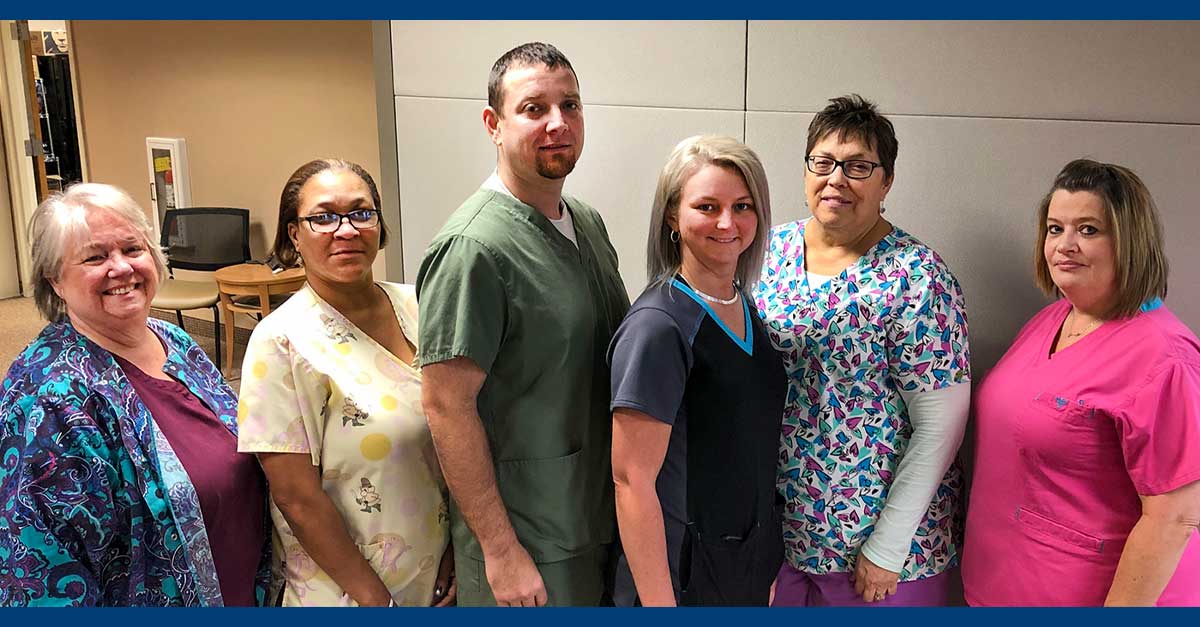
Our mission is to be an inspirational leader and mentor for those we work with. This in turn will benefit the patients and families we care for and serve the community we live in. One misconception about hospice is that the patient no longer has requests available to them. In reality, the hospice patient is still the ultimate decision maker on any matters. Using a hospice service allows the patient and family members to have their voices heard and stay in command of treatments and care options. Occupational Therapy—An occupational therapist’s goal is to help their patients maintain meaningful activities that are important to their lives.
Both also use a nurse to do the initial assessment for admission. For hospice, the nurse will ensure that you are appropriate for hospice and that they can meet your needs. Therapy is the critical piece of home health in that these providers are the ones that set goals related to recovery. Physical, occupational, speech, and respiratory therapists are all part of the team. The nurse performs the initial assessment and develops a plan of care that designates which disciplines will provide care. A nurse also checks vital signs, does wound care, and provides an overall weekly patient assessment.




No comments:
Post a Comment